
Baseball is one of the most popular sports for children and teenagers. It gives young athletes the chance to stay active, make friends, learn teamwork, and build confidence. While baseball is a fun and rewarding sport, injuries can happen when players practice, compete, or even warm up. Understanding how these injuries occur is the first step toward preventing them.
Many injuries in youth baseball are avoidable. With proper training, safe equipment, and well-maintained playing fields, leagues can create a safer environment for players. Parents, coaches, and league organizers all play an important role in helping young athletes stay healthy throughout the season.
The Seventh Base Foundation works to improve safety for young baseball and softball players by supporting leagues that need safer equipment and better field conditions. Their efforts help create environments where children can focus on learning and enjoying the game while reducing unnecessary risks.
Understanding Common Baseball Injuries
Baseball injuries can happen in many different ways. Some occur suddenly during a game, while others develop gradually over time. Young athletes often experience injuries because their bodies are still growing and developing. Muscles, bones, and joints may be more vulnerable to stress and impact than those of adult players.
One common injury is a sprained ankle. This often happens when a player lands awkwardly while running or stepping on a base. Ankle injuries can also occur when the playing surface is uneven or when a player changes direction quickly.
Knee injuries are another concern. Sliding into bases, sudden stops, and twisting movements can place extra pressure on the knees. These injuries can range from mild soreness to more serious ligament damage.
Shoulder and elbow injuries are also common, especially among pitchers. Repeating the same throwing motion over and over can place stress on the arm. Without proper rest, young athletes may experience pain that affects their performance and development.
Bruises, cuts, and collisions can happen as well. Players sometimes collide with teammates, opponents, fences, or field equipment. While many of these injuries are minor, they can still affect a player’s confidence and participation.
How Poor Field Conditions Contribute to Injuries
The condition of the field has a major impact on player safety. Uneven ground, loose equipment, and poorly maintained playing areas can increase the risk of accidents. A player running at full speed may not notice a small hole or uneven section of dirt until it is too late.
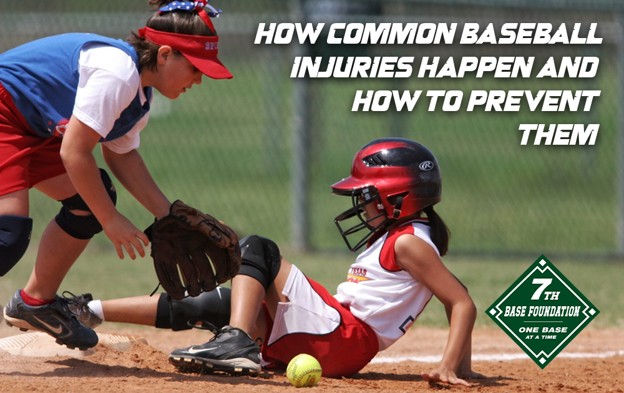
Bases can also contribute to injuries if they are not designed with safety in mind. Traditional rigid bases can create a sudden stop when a player slides into them. This impact can lead to ankle, knee, and lower leg injuries.
Many leagues have started using breakaway bases for youth softball because they are designed to reduce the force of impact during slides and collisions. These bases move or release when pressure is applied, helping to lower the risk of injury while allowing the game to continue normally.
Regular field inspections and maintenance can make a significant difference. Ensuring that surfaces are level and equipment is functioning properly helps create a safer environment for everyone.
The Importance of Proper Training
Good coaching is one of the best tools for injury prevention. Players who learn proper techniques are less likely to get hurt during practices and games. Coaches should teach athletes how to slide correctly, throw safely, and warm up before physical activity.
Stretching and conditioning are also important. Strong muscles and flexible joints help support the body during athletic movements. When players skip warm-ups, they may increase their risk of strains and other injuries.
Rest is another critical factor. Young athletes need time to recover between practices and games. Overuse injuries often develop when players participate too frequently without giving their bodies enough time to heal.
Parents can support these efforts by encouraging healthy habits at home. Proper sleep, hydration, and nutrition all contribute to injury prevention and overall athletic performance.
Why Safe Equipment Matters
Equipment is one of the most important parts of player safety. Helmets, gloves, catcher’s gear, and other protective items help reduce the risk of injury during games and practices. However, some leagues struggle to provide high-quality equipment because of limited budgets.
Community support can make a big difference. When individuals and organizations choose to donate baseball equipment to youth leagues, they help ensure that young athletes have access to the tools they need to play safely. Quality equipment improves both protection and performance.
The Seventh Base Foundation understands that many leagues face financial challenges. By helping organizations obtain safer equipment and field improvements, they support programs that might otherwise struggle to meet their safety goals.
Building Confidence Through Injury Prevention
Safety does more than protect players physically. It also affects confidence and enjoyment. Children who feel safe are more likely to participate fully and try new skills. They can focus on learning rather than worrying about getting hurt.
A player who trusts the field, equipment, and coaching staff is more likely to run aggressively, slide confidently, and engage fully in the game. These experiences help build self-confidence and improve overall performance.
Leagues that prioritize safety often notice stronger participation and greater enthusiasm among players. Parents also feel more comfortable supporting programs that demonstrate a commitment to player well-being.
Providing safer environments helps create positive experiences that encourage children to stay involved in sports for many years.
Community Support and Long-Term Safety
Creating safer baseball environments requires teamwork from everyone involved. Coaches, parents, volunteers, sponsors, and community members all contribute to making youth sports safer.
Many supporters choose to donate baseball equipment to youth leagues because they understand the importance of giving children access to safe playing opportunities. These contributions help programs purchase equipment, maintain facilities, and improve overall safety standards.
Leagues that receive community support are often able to make meaningful upgrades that benefit players throughout the season. Even small improvements can reduce risks and create a more positive experience for young athletes.
The use of breakaway bases for youth softball is one example of how organizations can make thoughtful investments in safety. These improvements demonstrate a commitment to protecting players while supporting skill development and enjoyment of the game.
The Seventh Base Foundation continues to promote safer fields and equipment by helping leagues access the resources they need. Their work supports communities that want to provide better opportunities for young athletes.
Conclusion
Baseball injuries can happen for many reasons, including poor field conditions, improper techniques, overuse, and inadequate equipment. While some injuries are unavoidable, many can be prevented through careful planning and a strong commitment to safety.
Safe fields, quality equipment, proper coaching, and regular maintenance all play important roles in protecting young athletes. When organizations focus on prevention, they create environments where children can learn, compete, and grow with confidence.
Communities also have an important role to play. Supporting local leagues helps provide safer opportunities for young players and contributes to the long-term success of youth sports programs. By working together, leagues, families, and organizations can reduce injuries and ensure that baseball remains a positive experience for every child who steps onto the field.