

Youth sports play an important role in the lives of children. They help young athletes stay active, learn teamwork, build confidence, and develop valuable life skills. Whether children are playing baseball, softball, soccer, or another sport, safety should always be a top priority. A safe environment allows young athletes to focus on learning, improving their skills, and enjoying the game without unnecessary risks.
Every youth sports organization has a responsibility to protect the children who participate in its programs. Safety is not limited to helmets, gloves, or protective equipment. It includes field conditions, proper coaching, regular maintenance, and the use of equipment designed to reduce injuries. When organizations focus on safety, they create a positive environment where players can grow and perform at their best.
The Seventh Base Foundation understands the importance of creating safer sports environments for young athletes. Through its efforts to improve playing conditions and provide safer equipment, the organization helps leagues create fields where children can participate with confidence. Safe facilities support both player development and long-term participation in sports.
Why Safety Should Be a Priority
Children are still growing and developing physically. Their bones, muscles, and joints are more vulnerable than those of adults. Because of this, even minor accidents can sometimes lead to injuries that affect a child’s ability to participate in sports for weeks or months.
When safety measures are taken seriously, many of these injuries can be prevented. A well-maintained field, properly trained coaches, and quality equipment all work together to create a safer experience. Parents are more comfortable allowing their children to participate when they know safety is a priority.
A strong commitment to safety also helps organizations build trust within their communities. Families appreciate programs that put player well-being first and demonstrate a genuine concern for the health and development of young athletes.
The Importance of Safe Playing Fields
The condition of a playing field has a direct impact on athlete safety. Uneven surfaces, damaged equipment, and poor maintenance can increase the risk of accidents. Players spend hours running, sliding, and making quick movements during practices and games. Even small hazards can lead to injuries if they are not addressed.
Regular inspections help identify potential problems before they become serious. Organizations should make sure that fields are level, equipment is functioning properly, and playing areas are free from dangerous obstacles. These simple steps can significantly reduce the likelihood of injuries.
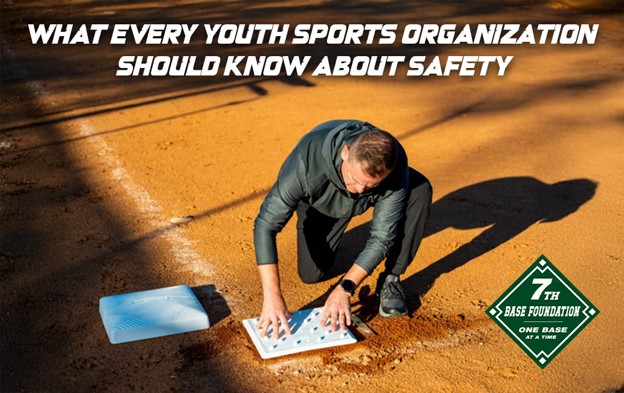
Many organizations are now recognizing the value of safety baseball bases because they provide additional protection during gameplay. These bases are designed to help reduce the impact that can occur when players slide into them at high speed. By investing in safer equipment, leagues can create a better experience for everyone involved.
How Equipment Affects Player Safety
Equipment plays a major role in protecting young athletes. Helmets, protective gear, and properly maintained playing surfaces all contribute to a safer environment. However, one area that is sometimes overlooked is the equipment installed directly on the field.
Bases are used during every baseball and softball game. Players run to them, slide into them, and make plays around them constantly. Traditional rigid bases can sometimes contribute to injuries during fast-paced action. This is why many leagues have started using youth baseball safety bases as part of their overall safety strategy.
These bases are designed to reduce the force of impact during slides and collisions. While they may seem like a small change, they can make a meaningful difference in reducing injuries and improving player confidence. Safer equipment helps athletes focus on developing their skills rather than worrying about potential accidents.
The Role of Coaches and Volunteers
Coaches and volunteers have a major influence on player safety. They are responsible for teaching proper techniques, encouraging safe behavior, and ensuring that practices and games are conducted responsibly. A coach who emphasizes safety helps create habits that benefit players throughout their athletic careers.
Good coaching includes teaching proper sliding techniques, warming up before activity, and encouraging athletes to communicate about injuries or discomfort. Coaches should also monitor field conditions and report any safety concerns immediately.
Volunteers play an important role as well. Many youth sports organizations rely on community members to help maintain facilities, organize events, and support daily operations. Their efforts contribute to creating a safer environment for young athletes.
Building Confidence Through Safety
Safety and confidence are closely connected. When players feel secure, they are more likely to participate fully in practices and games. They are willing to try new skills, take appropriate risks, and compete at their highest level.
Fear of injury can affect performance. A player who worries about getting hurt may hesitate during important moments. Safe environments reduce that fear and allow athletes to focus on learning and improving.
Organizations that prioritize safety often notice improvements in player participation and enthusiasm. Children enjoy sports more when they feel protected and supported. This positive experience can encourage them to remain active in sports for many years.
Long-Term Benefits of Safety Programs
The benefits of safety extend far beyond a single season. Players who participate in safe programs are more likely to continue playing sports throughout their youth. Consistent participation helps children develop physical fitness, social skills, and self-confidence.
Injury prevention also reduces interruptions in development. Athletes who avoid preventable injuries can spend more time practicing and improving their abilities. This allows them to gain valuable experience and enjoy a more rewarding sports journey.
The Seventh Base Foundation works to support these long-term benefits by helping leagues improve safety standards and provide better resources for young athletes. Their efforts contribute to healthier and more successful sports programs across many communities.
Creating a Culture of Safety
A strong safety culture begins with leadership. League administrators, coaches, parents, and volunteers must work together to create an environment where safety is valued. This includes maintaining facilities, using quality equipment, and encouraging open communication about injuries and concerns.
Organizations that invest in safety baseball bases demonstrate a commitment to protecting players while supporting skill development. These improvements show families that athlete well-being is a priority and help build trust within the community.
The use of youth baseball safety bases is another example of how organizations can make meaningful improvements. Small changes often have a significant impact when they are part of a larger commitment to safety and player development.
The Seventh Base Foundation continues to support programs that want to create safer playing environments. Through education, equipment support, and community partnerships, the organization helps ensure that young athletes have access to fields where they can learn, compete, and grow safely.
Conclusion
Every youth sports organization has a responsibility to make safety a priority. Safe fields, quality equipment, proper coaching, and regular maintenance all contribute to a better experience for young athletes. When children feel protected, they can focus on developing skills, building confidence, and enjoying the game.
Investing in safety is an investment in the future of youth sports. Organizations that take proactive steps to reduce risks help create positive experiences that encourage long-term participation. By focusing on player well-being, leagues can build stronger programs and healthier communities.
Safety is not simply about preventing injuries. It is about creating an environment where every child has the opportunity to learn, grow, and succeed. When safety becomes part of an organization’s culture, everyone benefits—from players and coaches to parents and the entire community.